
Blog
What to Do in a Dental Emergency in Tauranga

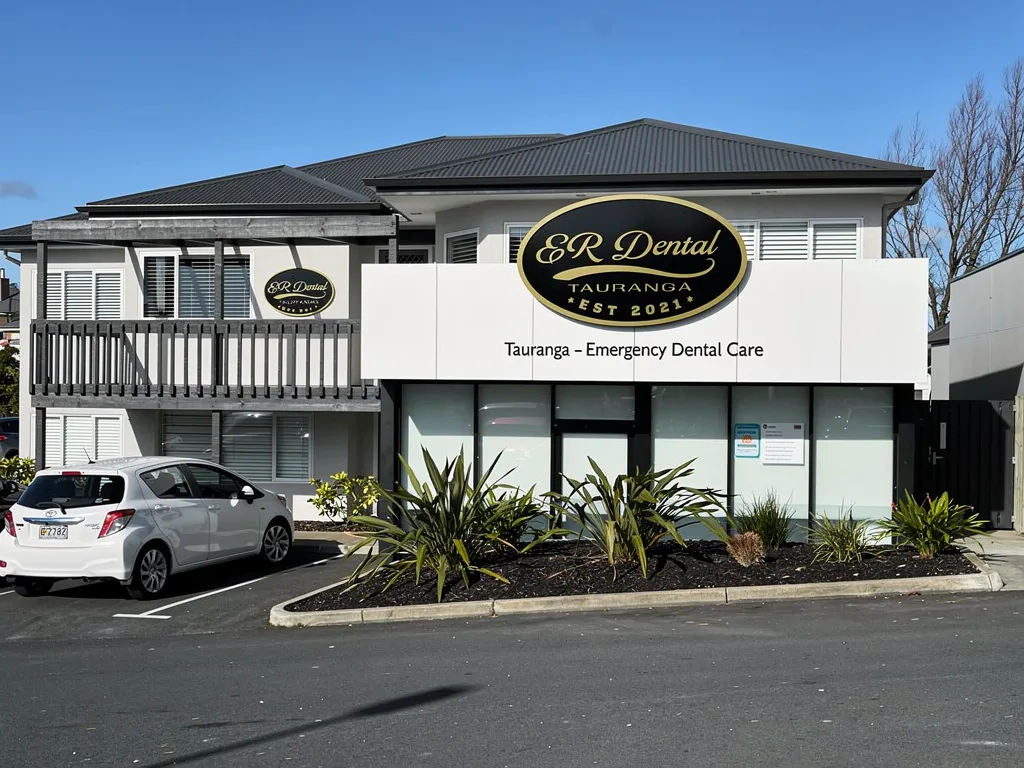
What to Do in a Dental Emergency in Tauranga: Immediate Steps for Urgent Care
By Riaan Kriek, ER Dental
Dental emergencies can occur at any time, often catching individuals off guard. Recognizing the specific actions to take in these urgent situations is crucial for preventing complications and achieving the best outcomes. This article provides a comprehensive guide on what to do during a dental emergency in Tauranga, detailing immediate steps for care, common emergencies, and available services. Understanding these aspects can ease anxiety and lead to more effective management of the situation. We will explore key symptoms, recommended actions, and essential tips to navigate through a dental emergency.
Immediate Steps for Urgent Care
When facing a dental emergency, immediate action can make a significant difference in the outcome. The first step is to assess the situation calmly. Identify the nature of the injury or pain, as this will guide your next steps. Contacting a dental professional is crucial; they can provide guidance tailored to your specific issue, helping you decide if you need immediate care. Following their advice can lead to effective treatment and potentially save your tooth.
Assess the Situation: Determine the severity of the dental issue, noting any symptoms or visible damage.
Contact a Dentist: Call your dental provider or an emergency dentist in Tauranga to explain your situation and seek advice. You can reach out to ER Dental for assistance.
Follow Care Instructions: Adhere to any first aid or care instructions given over the phone until you receive professional treatment.
Assess the Situation: Determine the severity of the dental issue, noting any symptoms or visible damage.
Contact a Dentist: Call your dental provider or an emergency dentist in Tauranga to explain your situation and seek advice. You can reach out to ER Dental for assistance.
Follow Care Instructions: Adhere to any first aid or care instructions given over the phone until you receive professional treatment.
Common Dental Emergencies
Understanding the most common types of dental emergencies can help you recognize when immediate care is necessary. Common emergencies include:
Severe Toothaches: Often caused by infection, decay, or trauma, these can result in intense pain requiring urgent management.
Broken or Chipped Teeth: Accidental trauma may lead to fractures, which can compromise tooth integrity and aesthetics.
Dental Abscesses: These require urgent attention as they indicate a serious underlying infection, often accompanied by swelling and pain.
Severe Toothaches: Often caused by infection, decay, or trauma, these can result in intense pain requiring urgent management.
Broken or Chipped Teeth: Accidental trauma may lead to fractures, which can compromise tooth integrity and aesthetics.
Dental Abscesses: These require urgent attention as they indicate a serious underlying infection, often accompanied by swelling and pain.
Recognizing these scenarios can help you react swiftly and appropriately.
This reality highlights the importance of timely intervention for a range of urgent dental issues.
Medical Emergencies in Dental Settings: Frequency and Features — Medical emergencies can occur in any healthcare setting, including the dental office, and may arise before, during, or after treatment. Between 50 and 70% of dental practitioners witness at least one medical emergency event each year, while more than a quarter encounter such events more frequently. Source: “Frequency and features of medical emergencies at a teaching dental hospital in Saudi Arabia: a 14-year retrospective observational study,” 2024
Medical Emergencies in Dental Settings: Frequency and Features — Medical emergencies can occur in any healthcare setting, including the dental office, and may arise before, during, or after treatment. Between 50 and 70% of dental practitioners witness at least one medical emergency event each year, while more than a quarter encounter such events more frequently. Source: “Frequency and features of medical emergencies at a teaching dental hospital in Saudi Arabia: a 14-year retrospective observational study,” 2024
Available Dental Services
ER Dental offers a comprehensive range of emergency dental services to address various urgent situations. Here is a brief overview of the services available:
Service
Description
Availability
Same-Day Emergency Appointments
Prompt assessments for urgent concerns
24/7
Pain Management
Immediate pain relief methods available
During office hours
Treatment Options
A variety of solutions for dental trauma
Walk-in and appointments
These services ensure that you receive timely and effective care for your dental emergency needs.
Tips for Managing Pain and Anxiety
Dental emergencies can trigger anxiety and discomfort. Here are strategies to manage pain while awaiting treatment:
Use Over-the-Counter Pain Relief: Medications like ibuprofen or paracetamol can alleviate discomfort before receiving professional care.
Apply a Cold Compress: Placing a cold compress against the affected area helps reduce swelling and numb the pain.
Communicate Concerns: Sharing your anxiety with dental staff can help them address your concerns and provide comfort during treatment.
Use Over-the-Counter Pain Relief: Medications like ibuprofen or paracetamol can alleviate discomfort before receiving professional care.
Apply a Cold Compress: Placing a cold compress against the affected area helps reduce swelling and numb the pain.
Communicate Concerns: Sharing your anxiety with dental staff can help them address your concerns and provide comfort during treatment.
Implementing these tips can significantly ease your experience during a dental emergency.
After-Hours Care
Many patients worry about finding dental care outside regular office hours. If faced with an urgent dental situation after hours, consider the following options:
ER Dental offers a 24/7 helpline to guide you through urgent situations. The professionals can provide immediate steps to follow based on your specific situation. Emergency guidelines will help with managing symptoms until you can visit a clinic. For those struggling with acute issues, knowing they can receive guidance at any time brings peace of mind.
Locations
ER Dental services several locations in Tauranga, providing accessible emergency care. You can visit their Pyes Pa Clinic, the Seventh Avenue Clinic, or the Omokoroa Clinic.
These locations ensure you can find help close to where you are, making access to urgent dental care more manageable.
How Can You Recognize a Dental Emergency in Tauranga?
Identifying a dental emergency promptly can lead to more effective treatment. Here are a few key indicators to consider:
Key Symptoms:
Persistent pain, especially severe toothaches, swelling of the gums, or discharge can indicate a need for urgent care. Recognizing these symptoms is vital for timely intervention.
Common Scenarios:
Situations often arise where pain does not lessen with over-the-counter treatments, infection signs like fever, or any significant trauma to the mouth necessitating immediate attention.
These situations underscore the critical role dental professionals play in managing urgent dental issues.
Dental Emergencies: ED and Physician Use for Dental Problems Individuals lacking access to dentists may utilize hospital emergency departments (EDs) or physicians (MDs) for the management of their dental problems. This study examined visits by minority and low-income individuals to physicians and hospital emergency departments for the treatment of dental problems with the goal of exploring the nature of treatment provided and patient satisfaction with the care received.Low-income and minority patient satisfaction with visits to emergency departments and physician offices for dental problems, 2009
Dental Emergencies: ED and Physician Use for Dental Problems Individuals lacking access to dentists may utilize hospital emergency departments (EDs) or physicians (MDs) for the management of their dental problems. This study examined visits by minority and low-income individuals to physicians and hospital emergency departments for the treatment of dental problems with the goal of exploring the nature of treatment provided and patient satisfaction with the care received.Low-income and minority patient satisfaction with visits to emergency departments and physician offices for dental problems, 2009
Urgency Indicators:
Urgent situations include ongoing severe pain, symptoms of infection such as pus or swelling, and difficulties with eating or speaking.
What Immediate First Aid Should You Perform for Dental Emergencies?
First aid measures can significantly influence the outcome of a dental emergency.
For Severe Toothaches: Rinse your mouth with warm salt water and apply a cold compress to reduce swelling.
In Case of a Broken Tooth: Rinse your mouth and save any broken pieces. Avoid using hot or cold substances.
If a Tooth is Knocked Out: Handle the tooth by the crown, not the root, and try to place it back in its socket if possible, or keep it in a glass of milk until you reach the dentist.
For Severe Toothaches: Rinse your mouth with warm salt water and apply a cold compress to reduce swelling.
In Case of a Broken Tooth: Rinse your mouth and save any broken pieces. Avoid using hot or cold substances.
If a Tooth is Knocked Out: Handle the tooth by the crown, not the root, and try to place it back in its socket if possible, or keep it in a glass of milk until you reach the dentist.
How Do You Manage a Knocked Out or Lost Tooth?
Managing a knocked-out tooth effectively increases the likelihood of saving it. Handle the tooth delicately and aim to put it back in its socket without touching the root. If re-implantation is not possible, storing it in a glass of milk or saliva while seeking immediate dental care is essential.
Professional assistance is critical as the sooner a dentist can examine the tooth, the higher the chance of successful reinsertion.
What Are the Recommended Actions for a Lost Filling or Crown?
For those who have lost a filling or crown, maintaining dental structure is key. While awaiting further treatment:
Temporary Measures: Use dental cement from a pharmacy to cover the space if available.
Avoid Hard Foods: Steer clear of anything hard or sticky that might exacerbate the problem.
Temporary Measures: Use dental cement from a pharmacy to cover the space if available.
Avoid Hard Foods: Steer clear of anything hard or sticky that might exacerbate the problem.
Knowing how to navigate these issues can minimize discomfort and protect dental health while awaiting care.
When and How Should You Contact an Emergency Dentist in Tauranga?
Recognizing when to seek an emergency dentist is crucial for receiving timely care. If you experience severe pain, visible damage, or signs of infection, contact ER Dental immediately. Here’s how to proceed with reaching out to ER Dental:
Recognize the Emergency: Evaluate the severity of your dental issue.
Contact ER Dental: Call the emergency line at 0800 541 673 for guidance.
Follow Provided Instructions: Adhere to any details shared about immediate actions to take until you receive care.
Recognize the Emergency: Evaluate the severity of your dental issue.
Contact ER Dental: Call the emergency line at 0800 541 673 for guidance.
Follow Provided Instructions: Adhere to any details shared about immediate actions to take until you receive care.
This process ensures that appropriate steps are taken to address your dental emergency effectively.
What Are ER Dental’s Emergency Dental Services and Clinic Locations?
ER Dental offers extensive emergency dental services, ensuring patients can receive care when they need it most. The clinics are equipped to deal with a range of issues from severe toothaches to broken crowns. Their services include dental implants and more.
Comprehensive Emergency Services: Addressing urgent dental issues promptly and effectively.
Urgent Care Availability: Open 24/7 for immediate assistance.
Clinic Addresses and Phone Numbers: Visit any of the ER Dental locations or call 0800 541 673 for further assistance.
Comprehensive Emergency Services: Addressing urgent dental issues promptly and effectively.
Urgent Care Availability: Open 24/7 for immediate assistance.
Clinic Addresses and Phone Numbers: Visit any of the ER Dental locations or call 0800 541 673 for further assistance.
This comprehensive care approach allows for effective treatment of urgent dental issues.
How Can You Book an Emergency Appointment Quickly and Easily?
Booking an emergency appointment with ER Dental is designed for convenience. Quick actions can alleviate pain and address dental emergencies promptly:
Use the Direct Contact Number: Call 0800 541 673 to speak directly with dental professionals.
Describe Your Emergency: Be clear about your situation so the team can provide the best advice.
Receive Confirmation: Ensure that your appointment is confirmed along with necessary instructions.
Use the Direct Contact Number: Call 0800 541 673 to speak directly with dental professionals.
Describe Your Emergency: Be clear about your situation so the team can provide the best advice.
Receive Confirmation: Ensure that your appointment is confirmed along with necessary instructions.
This fast-tracked process allows you to receive the care you need efficiently.
What Treatments Are Available for Dental Trauma and Urgent Care?
ER Dental employs a range of treatment options tailored to address various forms of dental trauma:
Immediate Pain Relief: Targeted solutions to manage discomfort as necessary.
Restorative Procedures: Treatments including fillings or crowns to restore damage.
Preventive Care: Actions taken to prevent further complications from arising.
Immediate Pain Relief: Targeted solutions to manage discomfort as necessary.
Restorative Procedures: Treatments including fillings or crowns to restore damage.
Preventive Care: Actions taken to prevent further complications from arising.
Each of these treatment options serves to ensure that patients can recover effectively from their emergencies, moving toward long-term dental health.
How Does ER Dental Use Advanced Technology for Rapid Dental Trauma Treatment?
At ER Dental, advanced technology plays a pivotal role in efficient treatment for dental emergencies. Utilizing digital x-rays enhances the precision of diagnostics, while laser dentistry offers minimally invasive options for treatment, supporting quick recovery and reduced discomfort.
What Are the Options for Toothache Relief and Orthodontic Emergency Care?
When confronted with a toothache or orthodontic emergency, several relief options are available:
Immediate Relief Techniques: Over-the-counter painkillers and cold compresses can provide temporary relief.
Consultation for Orthodontic Issues: Specific treatments designed to alleviate discomfort due to braces or other orthodontic appliances. For orthodontic concerns, consider options like dental braces.
Professional Intervention: Seeking immediate professional care for painful conditions ensures that underlying issues are addressed effectively.
Immediate Relief Techniques: Over-the-counter painkillers and cold compresses can provide temporary relief.
Consultation for Orthodontic Issues: Specific treatments designed to alleviate discomfort due to braces or other orthodontic appliances. For orthodontic concerns, consider options like dental braces.
Professional Intervention: Seeking immediate professional care for painful conditions ensures that underlying issues are addressed effectively.
These options emphasize the importance of prompt action in mitigating pain and ensuring proper treatment.
What Should You Know About Pricing and Insurance for Emergency Dental Care?
Understanding the potential costs associated with emergency dental services is essential for planning.
What Are the Typical Costs Associated with Urgent Dental Services in Tauranga?
Typical costs may vary depending on the type of emergency. Here’s a brief overview:
Emergency Consultation Fees: Standard fees charged for urgent assessments.
Procedures that Involve Costs: Treatments such as fillings or extractions typically incur additional charges.
Potential Financial Assistance Options: Some clinics may offer flexible payment plans for urgent services. You can find more information on ER Dental’s pricing and insurance details.
Emergency Consultation Fees: Standard fees charged for urgent assessments.
Procedures that Involve Costs: Treatments such as fillings or extractions typically incur additional charges.
Potential Financial Assistance Options: Some clinics may offer flexible payment plans for urgent services. You can find more information on ER Dental’s pricing and insurance details.
Knowing these costs helps patients prepare for unexpected dental emergencies.
Which Payment and Insurance Options Are Accepted for Emergency Treatments?
It’s important to be aware of the payment and insurance options available:
Insurance Plans Accepted: Most major dental insurance plans can cover emergency treatments.
Self-Pay Methods: Cash and credit card payments are usually accepted for immediate care.
Payment Plans Available: Inquire about any financing options that may ease the financial burden associated with emergency treatments.
Insurance Plans Accepted: Most major dental insurance plans can cover emergency treatments.
Self-Pay Methods: Cash and credit card payments are usually accepted for immediate care.
Payment Plans Available: Inquire about any financing options that may ease the financial burden associated with emergency treatments.
Awareness of payment options can help manage costs effectively during dental emergencies.
How Can You Care for Your Teeth After Emergency Treatment?
Proper aftercare following emergency treatment is crucial for maintaining oral health.
What Are the Best Practices for At-Home Dental Care After Trauma?
After receiving treatment, consider these at-home practices:
Maintain Oral Hygiene: Continue regular brushing and flossing while being gentle around the treated area.
Monitor Recovery Signs: Look for any unusual symptoms that may indicate complications.
Schedule Follow-Up Appointments: Ensure that appropriate follow-up visits are scheduled to maintain long-term oral health.
Maintain Oral Hygiene: Continue regular brushing and flossing while being gentle around the treated area.
Monitor Recovery Signs: Look for any unusual symptoms that may indicate complications.
Schedule Follow-Up Appointments: Ensure that appropriate follow-up visits are scheduled to maintain long-term oral health.
These practices contribute to recovering from dental emergencies effectively.
When Should You Schedule Follow-Up Visits to Ensure Long-Term Dental Health?
Regular follow-up visits are essential in ensuring that no complications from the emergency arise and that your overall dental health remains in good standing. Schedule these visits based on your dentist’s recommendations following an emergency to stay proactive in your dental care.