
Blog
Wisdom Tooth Extraction Cost NZ | ER Dental Tauranga

Wisdom Teeth Removal in Tauranga: Costs, Symptoms and Recovery
By Riaan Kriek, ER Dental
##
Personalized Wisdom Tooth Plans and Quotes at ER Dental
Wisdom tooth pain can make it difficult to eat, sleep or open your mouth comfortably. ER Dental provides wisdom teeth assessments and removal across our Pyes Pa, Seventh Avenue and Omokoroa clinics.
Your dentist will examine the tooth, review the appropriate X-rays and explain whether the removal is expected to be straightforward or surgical. You will receive a personalised treatment recommendation and cost estimate before proceeding.
Book a Wisdom Tooth Assessment
How much does wisdom tooth extraction cost in New Zealand?
Wisdom tooth extraction costs vary depending on whether the tooth has fully erupted or is impacted beneath the gum or bone. ER Dental currently lists an uncomplicated extraction at $290, while surgical or complicated wisdom tooth removal costs more and requires a personalised quote after examination and X-rays. Sedation, additional imaging and the number of teeth being removed may also affect the final cost.
Navigating the intricacies of wisdom teeth removal can be daunting for many individuals. This article provides an in-depth exploration of what patients can expect when undergoing wisdom tooth extraction in Tauranga, including the procedure, recovery, and associated costs. Wisdom teeth removal is crucial for many, particularly when they become impacted, leading to potential oral health complications. Understanding the surgical process, signs indicating the need for extraction, and effective recovery strategies can ease anxiety and promote a smoother experience. This guide will cover the entire journey—from the procedure at ER Dental to post-operative care requirements and a breakdown of costs involved.
How Much Does Wisdom Tooth Removal Cost at ER Dental?
Treatment type
ER Dental pricing guidance
What it generally involves
Uncomplicated extraction
From $290 per tooth
A fully erupted tooth that can be removed without surgical access
Surgical wisdom tooth extraction
Personalised quote
Gum access, tooth sectioning, bone removal or stitches may be required
Multiple wisdom teeth
Personalised treatment estimate
Cost depends on the number, position and complexity of the teeth
Sedation
Quoted separately where suitable
Depends on the sedation method, clinical suitability and availability
Additional imaging
Confirmed during assessment
May be needed to assess the roots, jawbone and nearby structures
These figures are a guide rather than a final quote. Wisdom teeth can differ significantly in their position, root shape and proximity to surrounding structures. After examining your mouth and reviewing the appropriate imaging, your dentist will explain the recommended treatment and provide a clear estimate before treatment begins.
These figures are a guide rather than a final quote. Wisdom teeth can differ significantly in their position, root shape and proximity to surrounding structures. After examining your mouth and reviewing the appropriate imaging, your dentist will explain the recommended treatment and provide a clear estimate before treatment begins.
Wisdom Teeth Removal Procedure at ER Dental, Tauranga
At ER Dental in Tauranga, the wisdom teeth removal procedure typically involves a careful assessment followed by a surgical extraction. This process begins with the administration of local anaesthesia to ensure patient comfort during the surgery. Surgeons meticulously remove the teeth, taking care to minimize any trauma to the surrounding tissues. Post-operative care instructions are provided to assist in recovery. Patients can expect a well-managed procedure, ensuring that the removal process is as comfortable and efficient as possible.
What to Expect During the Procedure:
Understanding the steps involved in a wisdom teeth removal procedure can help assuage any pre-surgery jitters. Key aspects include:
Anaesthetic Administration: Patients receive local anaesthesia or sedation for comfort.
Surgical Removal Process: The dentist carefully extracts the wisdom tooth, addressing any complications.
Aftercare Instructions: Detailed guidance on managing immediate post-operative care is provided to ensure a quick recovery.
Anaesthetic Administration: Patients receive local anaesthesia or sedation for comfort.
Surgical Removal Process: The dentist carefully extracts the wisdom tooth, addressing any complications.
Aftercare Instructions: Detailed guidance on managing immediate post-operative care is provided to ensure a quick recovery.
Research emphasizes that accurate preoperative evaluation significantly impacts surgical success and patient recovery, underscoring the importance of proper planning and post-operative strategies.
*Clinical Evaluation and Postoperative Management of Impacted Tooth Extraction** Objective: To explore the clinical evaluation methods and postoperative management strategies for the extraction of obstructed teeth, in order to provide reference for clinical practice, optimize patient management processes, and improve surgical outcomes and patient satisfaction. Method: A comprehensive analysis of relevant research in recent years was conducted to systematically summarize the key points of preoperative evaluation, surgical technique selection, and postoperative management measures for the extraction of obstructed teeth. Result: The accuracy of preoperative evaluation directly affects the success rate of surgery and the postoperative recovery of patients. The choice of surgical technique is closely related to the incidence of complications. Postoperative management strategies play a crucial role in improving patients’ quality of life and reducing postoperative complications, but there is currently a lack of unified standards and guiding principles. *
*Clinical Evaluation and Postoperative Management of Impacted Tooth Extraction** Objective: To explore the clinical evaluation methods and postoperative management strategies for the extraction of obstructed teeth, in order to provide reference for clinical practice, optimize patient management processes, and improve surgical outcomes and patient satisfaction. Method: A comprehensive analysis of relevant research in recent years was conducted to systematically summarize the key points of preoperative evaluation, surgical technique selection, and postoperative management measures for the extraction of obstructed teeth. Result: The accuracy of preoperative evaluation directly affects the success rate of surgery and the postoperative recovery of patients. The choice of surgical technique is closely related to the incidence of complications. Postoperative management strategies play a crucial role in improving patients’ quality of life and reducing postoperative complications, but there is currently a lack of unified standards and guiding principles. *
Signs of Impacted Wisdom Teeth:
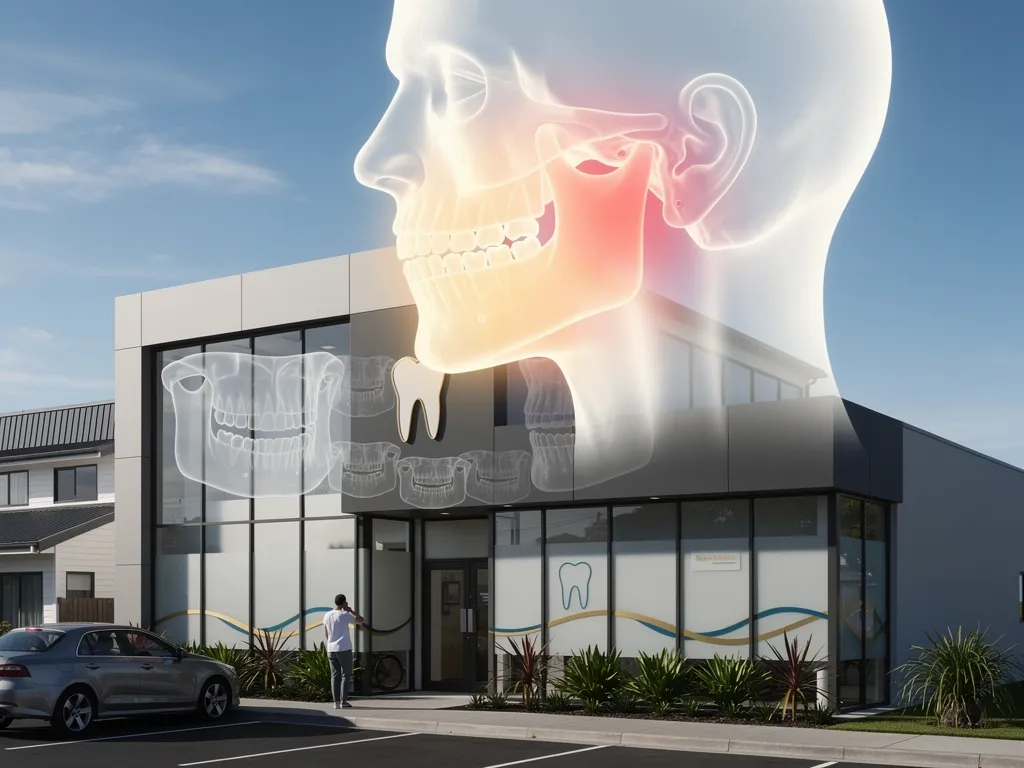
Recognizing the signs of impacted wisdom teeth is crucial for timely intervention. Common indicators include:
Pain and Swelling: Discomfort around the back of the jaw or swelling in the gums.
Examination Processes: Dentists may conduct physical examinations and X-rays to confirm impaction.
Importance of X-rays: X-rays are used to assess the position of wisdom teeth and determine if extraction is necessary.
Pain and Swelling: Discomfort around the back of the jaw or swelling in the gums.
Examination Processes: Dentists may conduct physical examinations and X-rays to confirm impaction.
Importance of X-rays: X-rays are used to assess the position of wisdom teeth and determine if extraction is necessary.
What Is the Difference Between Simple and Surgical Wisdom Tooth Removal?
Simple wisdom tooth extraction
A simple extraction may be possible when the wisdom tooth has fully emerged through the gum and the dentist can access it without making a surgical opening.
The area is numbed with local anaesthetic before the tooth is carefully loosened and removed. Because less surgical access is required, the procedure may be shorter and the recovery may be more straightforward.
Surgical wisdom tooth extraction
Surgical removal may be required when a wisdom tooth is:
Partly trapped beneath the gum
Fully impacted beneath the gum or jawbone
Growing at an angle
Difficult to access
Close to a neighbouring tooth or important anatomical structure
Broken or affected by unusual root anatomy
Partly trapped beneath the gum
Fully impacted beneath the gum or jawbone
Growing at an angle
Difficult to access
Close to a neighbouring tooth or important anatomical structure
Broken or affected by unusual root anatomy
The dentist may need to open the gum, remove a small amount of surrounding bone, divide the tooth into sections or place stitches.
Straightforward wisdom tooth removal may be performed in a dental practice, while more complex cases may require referral depending on the patient and the clinical findings.
Recovery After Surgery:
Recovery following wisdom tooth extraction is an essential phase that requires proper care to ensure healing. Patients can expect the following:
Expected Recovery Duration: Most patients recover fully within a week, though some swelling and discomfort may persist for a few days.
Aftercare Protocol: Following prescribed aftercare helps prevent complications and promotes healing.
Signs of Complications: Patients should be vigilant for excessive bleeding or signs of infection, such as fever.
Expected Recovery Duration: Most patients recover fully within a week, though some swelling and discomfort may persist for a few days.
Aftercare Protocol: Following prescribed aftercare helps prevent complications and promotes healing.
Signs of Complications: Patients should be vigilant for excessive bleeding or signs of infection, such as fever.
Which Aftercare Practices Support Comfortable Healing?
Following effective aftercare practices can significantly improve recovery outcomes. Key practices include:
Rest and Nutrition: It’s vital to rest and consume soft foods to avoid stressing the surgical site.
Oral Hygiene Importance: Gentle cleaning of the mouth can help manage oral health without disrupting healing.
Pain Management Tips: Over-the-counter medications can assist with pain management, alongside prescribed options from the dentist.
Rest and Nutrition: It’s vital to rest and consume soft foods to avoid stressing the surgical site.
Oral Hygiene Importance: Gentle cleaning of the mouth can help manage oral health without disrupting healing.
Pain Management Tips: Over-the-counter medications can assist with pain management, alongside prescribed options from the dentist.
Sedation and Pain Management Options:
Sedation during wisdom teeth removal varies based on patient needs and the complexity of the procedure. Common options include:
Matching Sedation to the Case: Beyond the local anaesthesia used for every extraction, the dentist may recommend additional sedation for more complex or multi-tooth cases, selected based on the patient’s anxiety level and the difficulty of the impaction.
Pain Relief Options: Pain management strategies may include oral analgesics and prescribed medications.
Patient Comfort Emphasis: The focus remains on ensuring a comfortable experience throughout the process.
Matching Sedation to the Case: Beyond the local anaesthesia used for every extraction, the dentist may recommend additional sedation for more complex or multi-tooth cases, selected based on the patient’s anxiety level and the difficulty of the impaction.
Pain Relief Options: Pain management strategies may include oral analgesics and prescribed medications.
Patient Comfort Emphasis: The focus remains on ensuring a comfortable experience throughout the process.
The efficacy of low-dose ketamine as an adjunct to local anesthesia can significantly reduce post-operative pain, swelling, and trismus, enhancing patient comfort during and after impacted mandibular third molar removal.
Ketamine as an Adjunct to Local Anesthesia for Impacted Mandibular Third Molar Removal ABSTRACT: AbstractIntroductionThe removal of impacted teeth is one of the most common procedures performed by oral and maxillofacial surgeons. Reduction of discomfort post-operatively and efficient local anesthesia are imperative for success in surgical practice. At sub-anesthetic doses, ketamine has a noticeable analgesic action, which can be used to supplement local anesthesia with minimal side effects.AimTo assess the efficacy of low-dose ketamine as an adjunct to local anesthesia in the management of pain, swelling and trismus after surgical removal of impacted mandibular third molars.Materials and MethodsTwenty five patients with bilaterally symmetrical impacted mandibular third molars requiring surgical removal under local anesthesia were selected for the controlled clinical study. The third molar sites of all patients enrolled in the trial were randomly assigned into 2 groups: Local Anesthesia (Lignocaine) Alone [LAA] and Local Anesthesia plus ketamine [LAK]. 5ml of local anesthetic (Lign1. NAME, ADDRESS, E-MAIL ID OF THE CORRESPONDING AUTHOR: Dr. Yash Merchant, 402, The Great Eastern Retreat, Lakaki Road, Model Colony, Pune – 411 016, Maharasthra, India. E-mail:merchantyash@gmail.com2. The removal of impacted teeth is one of the most common procedures performed by oral and maxillofacial surgeons. Reduction of discomfort post-operatively and efficient local anesthesia are imperative for success in surgical practice. At sub-anesthetic doses, ketamine has a noticeable analgesic action, which can be used to supplement local anesthesia with minimal side effects.3. To assess the efficacy of low-dose ketamine as an adjunct to local anesthesia in the management of pain, swelling and trismus after surgical removal of impacted mandibular third molars.4. Twenty five patients with bilaterally symmetrical impacted mandibular third molars requiring surgical removal under local anesthesia were selected for the controlled clinical study. The third molar sites of all Efficacy of ketamine as an adjunct to local anesthesia in the surgical removal of impacted mandibular third molars–a split mouth prospective controlled clinical study, 2016
Ketamine as an Adjunct to Local Anesthesia for Impacted Mandibular Third Molar Removal ABSTRACT: AbstractIntroductionThe removal of impacted teeth is one of the most common procedures performed by oral and maxillofacial surgeons. Reduction of discomfort post-operatively and efficient local anesthesia are imperative for success in surgical practice. At sub-anesthetic doses, ketamine has a noticeable analgesic action, which can be used to supplement local anesthesia with minimal side effects.AimTo assess the efficacy of low-dose ketamine as an adjunct to local anesthesia in the management of pain, swelling and trismus after surgical removal of impacted mandibular third molars.Materials and MethodsTwenty five patients with bilaterally symmetrical impacted mandibular third molars requiring surgical removal under local anesthesia were selected for the controlled clinical study. The third molar sites of all patients enrolled in the trial were randomly assigned into 2 groups: Local Anesthesia (Lignocaine) Alone [LAA] and Local Anesthesia plus ketamine [LAK]. 5ml of local anesthetic (Lign1. NAME, ADDRESS, E-MAIL ID OF THE CORRESPONDING AUTHOR: Dr. Yash Merchant, 402, The Great Eastern Retreat, Lakaki Road, Model Colony, Pune – 411 016, Maharasthra, India. E-mail:merchantyash@gmail.com2. The removal of impacted teeth is one of the most common procedures performed by oral and maxillofacial surgeons. Reduction of discomfort post-operatively and efficient local anesthesia are imperative for success in surgical practice. At sub-anesthetic doses, ketamine has a noticeable analgesic action, which can be used to supplement local anesthesia with minimal side effects.3. To assess the efficacy of low-dose ketamine as an adjunct to local anesthesia in the management of pain, swelling and trismus after surgical removal of impacted mandibular third molars.4. Twenty five patients with bilaterally symmetrical impacted mandibular third molars requiring surgical removal under local anesthesia were selected for the controlled clinical study. The third molar sites of all Efficacy of ketamine as an adjunct to local anesthesia in the surgical removal of impacted mandibular third molars–a split mouth prospective controlled clinical study, 2016
Associated Risks:
While wisdom teeth removal is generally safe, acknowledging potential risks is essential for informed decision-making. The associated risks include:
Risks Related to Surgery: Possible complications such as dry socket or infections can occur.
Possible Complications: Nerve damage or prolonged bleeding may arise in rare cases.
Importance of Aftercare: Following post-operative care instructions is crucial to minimize these risks.
Risks Related to Surgery: Possible complications such as dry socket or infections can occur.
Possible Complications: Nerve damage or prolonged bleeding may arise in rare cases.
Importance of Aftercare: Following post-operative care instructions is crucial to minimize these risks.
What Affects the Final Cost of Wisdom Tooth Removal?
1. Whether the tooth has erupted
A fully erupted tooth is normally easier to access than one trapped beneath the gum or bone.
2. The depth and angle of impaction
Horizontally positioned, deeply impacted or unusually angled teeth may require more complex surgical access.
3. The tooth’s roots
The number, shape and position of the roots can affect the difficulty and duration of removal.
4. Nearby nerves and structures
Lower wisdom teeth may sit close to nerves in the jaw. Upper wisdom teeth may sit near the sinus. Imaging helps the dentist assess these relationships before treatment.
5. Number of teeth removed
Removing one wisdom tooth differs from removing two, three or four teeth during the same treatment plan.
6. Imaging required
X-rays are used to evaluate the teeth and surrounding structures. Certain cases may require more detailed imaging.
7. Sedation option
Local anaesthetic is commonly used. Any additional sedation option can affect the total treatment cost.
8. Referral requirements
Complex cases may require referral to another appropriately qualified practitioner, which can change the treatment location and overall fee.
Costs and Payment Options:
Understanding the financial aspect of wisdom teeth removal can aid in preparation and decision-making. Costs can vary depending on the complexity of the extraction, the number of teeth involved, and the specific package or treatment plan recommended, so the figures below are a general guide only.
Service
Typical Cost Range
Payment Options
Wisdom Teeth Extraction
From approximately $249 per tooth, depending on complexity
Insurance coverage, financing plans
Consultation
From $59
Pay upfront, some insurance plans
Follow-up Care
Included
Covered by initial service
Because pricing can vary from patient to patient, ER Dental recommends contacting the practice directly for an accurate, personalised quote before booking. You can reach the team on +64 210 230 1852, by email at drkriek@gmail.com, or via erdental.co.nz to discuss payment options and get pricing tailored to your situation.
Could Your Wisdom Teeth Be Causing the Problem?

Select any symptoms you are experiencing:
☐ Throbbing or persistent pain at the back of the jaw ☐ Pain that spreads toward the ear, temple or throat ☐ A red or swollen gum flap around a partially erupted tooth ☐ Food becoming trapped behind the last molar ☐ A bad taste or unpleasant breath ☐ Pain when biting or chewing ☐ Difficulty opening the mouth fully ☐ Swelling around the jaw or cheek ☐ Repeated infection around the same tooth ☐ Sensitivity or decay in the wisdom tooth ☐ Pressure or discomfort near neighbouring teethAre You Experiencing Severe Wisdom Tooth Pain or Swelling?
Experiencing one or more of these symptoms does not automatically mean the tooth must be removed. A dental examination and appropriate X-rays are needed to identify the cause and determine whether monitoring, cleaning, treatment or extraction is most suitable. Wisdom teeth can be difficult to clean and may be associated with decay, gum disease, recurring infection, cyst development or damage to adjacent teeth.
Experiencing one or more of these symptoms does not automatically mean the tooth must be removed. A dental examination and appropriate X-rays are needed to identify the cause and determine whether monitoring, cleaning, treatment or extraction is most suitable. Wisdom teeth can be difficult to clean and may be associated with decay, gum disease, recurring infection, cyst development or damage to adjacent teeth.
Call ER Dental promptly if you have:
Increasing facial or jaw swelling
Severe pain that is not settling
Fever or feeling generally unwell
Pus or a persistent unpleasant taste
Difficulty opening your mouth
Trouble swallowing
Symptoms that are rapidly worsening
Increasing facial or jaw swelling
Severe pain that is not settling
Fever or feeling generally unwell
Pus or a persistent unpleasant taste
Difficulty opening your mouth
Trouble swallowing
Symptoms that are rapidly worsening
We will ask about your symptoms and advise you about the most appropriate available appointment.
What Happens During a Wisdom Tooth Assessment?
Step 1 — Discuss your symptoms
Your dentist will ask about pain, swelling, infection, previous episodes, medications, medical history and any concerns about treatment.
Step 2 — Examine the tooth and surrounding gum
The dentist will check how much of the tooth has erupted, whether the gum is inflamed and whether neighbouring teeth are affected.
Step 3 — Review appropriate imaging
X-rays help show the tooth’s angle, roots, jawbone and relationship to surrounding structures.
Step 4 — Explain the treatment options
Not every wisdom tooth needs to be removed. Depending on the findings, the dentist may recommend monitoring, cleaning, treating an infection, removing the tooth or referring a complex case.
Step 5 — Provide a treatment plan and estimate
You will receive an explanation of the recommended approach, expected recovery, relevant risks and anticipated fees before proceeding.
Step 6 — Complete treatment or arrange the appropriate appointment
Simple cases may be managed at the dental clinic. More complex cases are planned according to the clinical findings and the practitioner required.
Can I Have Sedation for Wisdom Tooth Removal?
Local anaesthetic is used to numb the treatment area during wisdom tooth removal. Additional sedation options may be available for suitable patients depending on the complexity of treatment, medical history, anxiety level and provider availability.
During the assessment, the dentist can discuss:
Local anaesthetic
Available conscious-sedation options
Whether referral is more appropriate for a complex case
Preparation and transport requirements
Additional costs
Local anaesthetic
Available conscious-sedation options
Whether referral is more appropriate for a complex case
Preparation and transport requirements
Additional costs
How Long Does Wisdom Tooth Removal Recovery Take?
Many patients experience swelling, mild bleeding, jaw tightness and discomfort after surgical wisdom tooth removal. These symptoms usually improve as healing progresses, although the recovery period varies according to the complexity of treatment and the individual patient.
The New Zealand Dental Association advises that temporary swelling, minor bleeding and difficulty opening the mouth can occur after surgical removal, with many patients feeling closer to normal after approximately one week.
General recovery timeline
Time after treatment
What patients may experience
First 24 hours
Mild bleeding, numbness, swelling and discomfort
Days 2–3
Swelling may be most noticeable
Days 3–7
Discomfort and jaw stiffness should gradually improve
Around one week
Many patients feel significantly more comfortable
Longer recovery
Possible after complex surgery or multiple removals
Aftercare summary
Follow the instructions provided by your dentist.
Avoid vigorous rinsing during the first 24 hours.
Eat soft foods and drink suitable fluids.
Avoid smoking because it can delay healing.
Keep the mouth clean according to the provided instructions.
Use prescribed or recommended pain relief as directed.
Contact the clinic if bleeding is excessive or symptoms become severe.
Follow the instructions provided by your dentist.
Avoid vigorous rinsing during the first 24 hours.
Eat soft foods and drink suitable fluids.
Avoid smoking because it can delay healing.
Keep the mouth clean according to the provided instructions.
Use prescribed or recommended pain relief as directed.
Contact the clinic if bleeding is excessive or symptoms become severe.
These recommendations are consistent with NZDA oral-surgery aftercare guidance.
Does ACC Cover Wisdom Tooth Removal?
ACC generally does not pay for wisdom tooth removal caused by normal impaction, decay, gum disease, wear or a naturally developing dental condition.
ACC may contribute when dental treatment is required because of:
An accident
A sporting injury
A covered dental injury
An eligible treatment injury
An accident
A sporting injury
A covered dental injury
An eligible treatment injury
The dentist can help lodge an ACC claim when the injury may qualify. Patients may still need to pay part of the treatment cost.
Having painful or impacted wisdom teeth does not by itself make the removal eligible for ACC. Eligibility depends on whether the need for treatment resulted from a covered accident or treatment injury. ER Dental can discuss the circumstances with you and advise whether an ACC claim may be appropriate.
This is much more accurate than implying that normal wisdom tooth problems are covered.
Can I Pay for Wisdom Tooth Removal Over Time?
ER Dental offers several payment and funding options, which may include:
Afterpay
Q Card
Southern Cross
WINZ support where approved
Eftpos
Paywave
Major credit cards
Afterpay
Q Card
Southern Cross
WINZ support where approved
Eftpos
Paywave
Major credit cards
Eligibility, limits and provider conditions apply. The ER Dental team can explain the options available after your treatment estimate is prepared.
Why Patients Choose ER Dental for Wisdom Teeth Care
Three convenient clinic locations
Patients can access ER Dental in Pyes Pa, central Tauranga at Seventh Avenue, and Omokoroa.
Clear treatment explanations
The dentist explains what the imaging shows, whether removal is recommended and what the treatment may involve.
Transparent cost estimates
A personalised estimate is discussed before treatment so the patient understands the likely cost.
Care for nervous patients
The team welcomes patients who feel anxious about dental care and can discuss suitable comfort options.
Modern dental diagnostics
Appropriate dental imaging supports diagnosis, risk assessment and treatment planning.
Established local dental team
ER Dental was founded by Dr Riaan Kriek and Dr Estee Kriek and provides dental services across three Tauranga-region clinics.
Wisdom Teeth Care Across Tauranga and the Western Bay of Plenty
ER Dental provides wisdom tooth assessments and dental extractions for patients from Pyes Pa, Greerton, Tauriko, The Lakes, Welcome Bay, Bethlehem, Otumoetai, Mount Maunganui, Papamoa, central Tauranga and Omokoroa.
Patients can choose from ER Dental’s Pyes Pa clinic on Pyes Pa Road, Seventh Avenue clinic in Tauranga’s city centre, or the Omokoroa clinic on Omokoroa Road.
If you are experiencing wisdom tooth pain, swelling or recurring infection, contact your preferred clinic to arrange an assessment.
This supports local relevance without turning the page into a list of repeated suburb keywords.
How much does wisdom tooth extraction cost at ER Dental?
ER Dental currently lists an uncomplicated extraction from $290. Surgical or complicated wisdom tooth removal costs more because the procedure may require gum access, tooth sectioning, bone removal or stitches. An exact estimate is provided after examination and appropriate X-rays.
Is surgical wisdom tooth removal more expensive?
Usually, yes. Surgical removal requires more time, equipment and clinical complexity than removing a fully erupted tooth. The final fee depends on the position of the tooth, root anatomy, nearby structures and whether sedation is requested.
How much does removing all four wisdom teeth cost?
The total cost depends on whether the teeth are erupted, partially impacted or fully impacted, as well as the sedation and imaging required. ER Dental provides a personalised estimate after assessing all four teeth.
Does ACC cover wisdom tooth removal?
ACC does not generally cover extraction for normal impaction, decay, gum disease or crowding. It may contribute when treatment is required because of an eligible accident or treatment injury.
Do all wisdom teeth need to be removed?
No. Wisdom teeth that are healthy, functional and easy to clean may only need monitoring. Removal may be recommended when they cause repeated infection, pain, decay, damage or other clinical concerns.
How do I know whether my extraction will be simple or surgical?
A dentist needs to examine the tooth and review appropriate X-rays. A fully erupted and accessible tooth may be straightforward, while an impacted or angled tooth may require surgical removal.
Can I be sedated for wisdom tooth removal?
Available sedation options depend on clinical suitability, medical history, treatment complexity and provider availability. Your dentist will discuss the options and costs during the assessment.
How long should I take off work?
The amount of time varies. Some patients return quickly after a straightforward removal, while surgical or multiple extractions may require several days of reduced activity. Your dentist can give guidance based on your treatment.
What is dry socket?
Dry socket is a painful complication that may occur when the blood clot at the extraction site is disrupted or does not remain in place. Contact the clinic if pain becomes significantly worse several days after treatment or is accompanied by an unpleasant taste or smell.
When should I call a dentist urgently?
Call promptly if you develop severe or increasing pain, facial swelling, fever, pus, difficulty opening your mouth, difficulty swallowing or symptoms that are worsening rapidly.
Can wisdom tooth pain go away without extraction?
Symptoms may settle temporarily, but recurring pain or infection should be assessed. The appropriate treatment depends on the position of the tooth, gum health, decay and the effect on neighbouring teeth.
Where can I book wisdom tooth removal in Tauranga?

ER Dental offers assessments across its Pyes Pa, Seventh Avenue and Omokoroa clinics. Patients can book online or call 0800 541 673.